An apartment complex in San Marcos, Tex., one of many fast-growing communities hit hard by flooding. Credit Stephen Ramirez, Birdsiview.org
One of the great joys of working at Next City is when I see in the comments or on social media someone inspired by our journalism. The best way this happens is when someone says, “We should have this in my town” or “This is happening here too.”
Our feature this week is about San Marcos, Texas — a town I hadn’t even heard of — and how it’s being overrun by the university there. Housing for the booming student population has been at least relied on the private market. This has led to the increase in rent-by-the-room housing in the city.
I expected this article to be popular, but had no idea how popular it turned out to be. Thousands of people have shared it on Facebook, and it’s gone viral by our standards. In going through their comments I expected some backlash in defense of the school. But almost every comment I read either agreed or said that the same thing is happening in their small city with a big university.
It’s been an exciting few days watching all the traffic and comments come in. I couldn’t be more proud of the editors and writers I get to work with everyday.
[Photo by Spencer Platt/Getty Images]Chariot for Women, an alternative to Uber, Lyft and other ride hailing apps, is set to launch tomorrow. What sets this apart from the rest is that it’s for women only. Only women will taxi customers and only women will be customers.
Next City reported on Chariot for Women back in March, an immediately comments on Twitter rolled in about it being illegal to exclude men from either driving for Chariot for Women or being customers.
Vox, as they do, explains, “The biggest potential problem, though, is that Chariot for Women’s premise might not be legal. Civil rights lawyers told the Boston Globe that the ban on men would probably conflict with Massachusetts anti-discrimination laws, especially when it comes to hiring.”
While I’m not fan of ride hailing services (as they exploit workers), I think it’s interesting that many of the people who laude Uber for being so innovative are quick to denounce Chariot for Women. UberX operates illegally in places like Philadelphia, and that doesn’t seem to be an issue. So why not make one of the most dangerous professions and modes of transportation much safer for women?
As the audience engagement manager for Next City, one of my main jobs is building our database. For a news organization with as much traffic as nextcity.org sees, the database, while by no means small, could be a lot bigger. So over the past year, I’ve focused on building better landing pages to help convert readers into newsletter subscribers and donors.
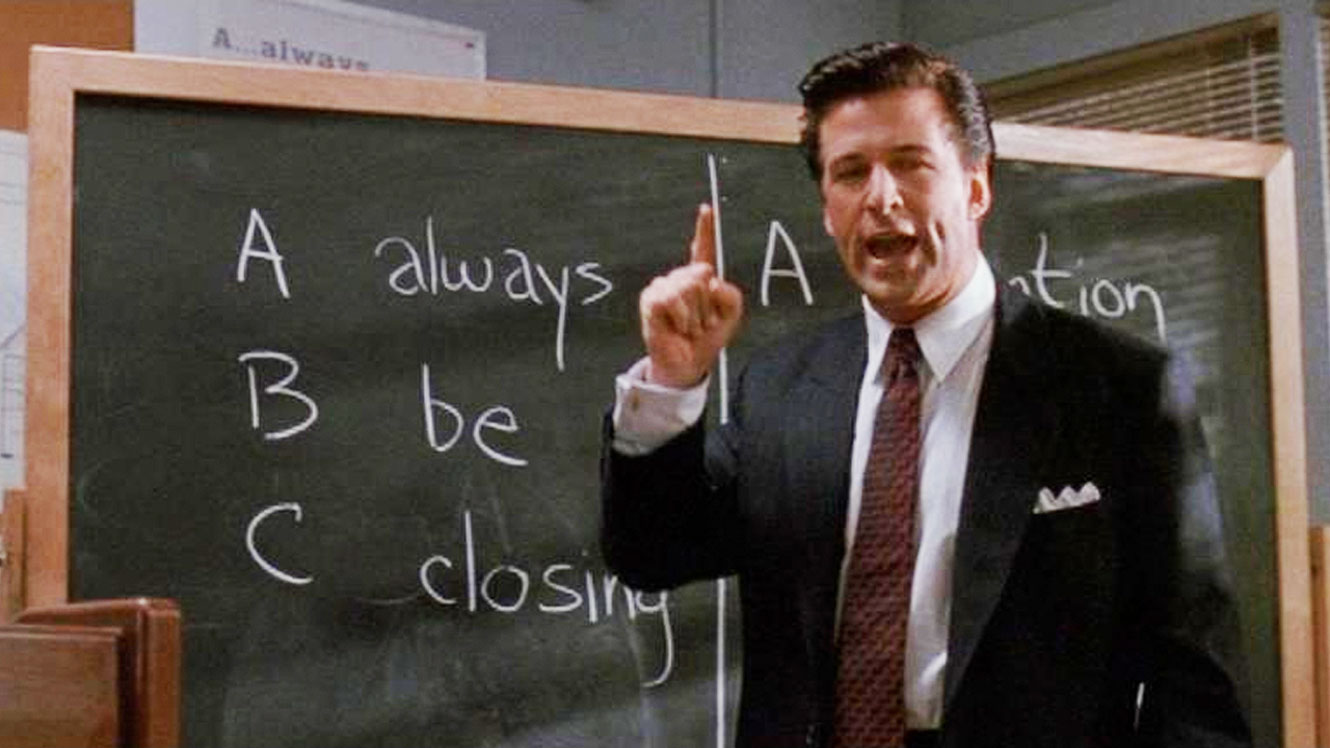
ABC. Always be converting. (Alec Baldwin in Glengarry Glen Ross)I’m not sure where I heard this, but in my various jobs for nonprofits, I’ve always tried to convert people “up the ladder” — from someone who never heard of your organization, to reader (or follower), to email newsletter subscriber, to donor, to advocate for your work. The best way to convert people online is through landing pages. These are pages in a website that have one job, like converting newsletter signups, giving away free downloads or selling a product. At Next City, I’ve focused on three: newsletter signups, free ebook downloads, and membership donations.
Along with our art director and developer, we came up with designs and functionality that works really, really well for us. In fact, as I just learned, they do shockingly well. The main reason, I think, we’re so successful on landing pages is that our editors deliver high quality journalism that our audience trusts. That trust makes it easy for people to take the next step up the ladder. In terms of the first step on the conversion ladder, we’re doing really well. Once you’re aware of us and read our reporting regularly, you know what we can deliver.
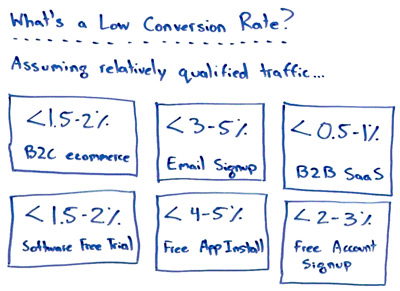
From Moz.com.According to this video by Moz, landing page conversion rates are much lower than I thought. None are above 5% according to Moz.
These are not a one-to-one comparisons to my world, since they focus on for-profits, but they’re close. They say email signup pages (newsletters) convert 3-5% of the time, free app (free ebooks in our case) is 4-5%, and business to consumer (donations in our case) is 1.5-2%. Now these aren’t set numbers for everyone, but they’re still much lower than I expected. Next City is brining in 10 times the conversion rate on these pages.
After you build trust in your brand or nonprofit, you have to build landing pages that work. I will discuss what we’ve done to be successful in my next post. In the meantime, know that if you can get 5% conversion on a landing page, you’re doing pretty well. If you’ve ever thought that no one is signing up on your newsletter page, you might just need to focus on driving traffic to site and compare your numbers with what Moz says is about normal.


![[Photo by Spencer Platt/Getty Images]](http://cityinvincible.org/wp-content/uploads/2016/04/GettyImages-488588870-670x447.jpg)